
Senior care strategies for autonomy and safety
Maintaining independence requires combining holistic health plans, accessible housing transitions, and financial foresight. Strategic planning ensures safety while preserving dignity during retirement living.
Preventative senior health and wellness protocols
Chronic disease management is essential for enabling seniors to remain independent at home. Geriatric assessments and strict medication adherence help prevent hospitalizations while maintaining vitality.
Nutrient-dense meal planning and low-impact fitness help maintain mobility. Integrated care plans also prioritize cognitive behavioral health, ensuring harmonious well-being for older adults.

Daily living support systems

Home health aide services and assistance
Certified hygiene and grooming support
Certified nursing assistants provide discreet help with bathing, dressing, and grooming to uphold dignity. These respite care services alleviate family strain while ensuring consistent hygiene.
Social companionship programs mitigate isolation and dementia risks. Professionals engage in memory care exercises, creating a stimulating environment that fosters mental acuity and emotional stability.
Assistive devices and smart technology
Adaptive equipment and automation
Electric patient lifts and transfer benches significantly reduce fall risks during navigation. Assistive housing technology extends to voice-activated home automation for lighting and temperature regulation.
Automated pill organizers prevent dosage errors. Remote patient monitoring wearables track vital signs, transmitting data to telehealth providers for real-time analysis and rapid intervention if irregularities occur.

Home modifications and accessible design
Senior insurance: securing assets against long-term care costs

Long-term care insurance covers expenses related to skilled nursing facilities and assisted living communities. Analyzing benefit triggers dictates financial security during transitions. Inflation protection riders ensure coverage keeps pace with rising costs. Advisors structure retirement annuities to support longevity.
Emergency response systems and medical alerts
GPS-enabled pendants automatically detect falls, immediately triggering an alert to emergency dispatch services. 24/7 monitoring centers track routines, allowing care circles to intervene quickly. Two-way voice consoles centralize information, ensuring rapid access to medical history data during crises. These technologies combine prevention and peace of mind for seniors and caregivers.
Essential mobility aids for daily life
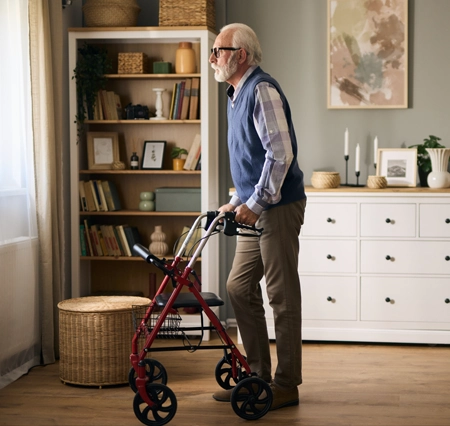
Rollators and walkers
Stability and gait support
These ambulatory devices offer solid support, reduce fall risks, and allow seniors to traverse community environments confidently for longer periods.
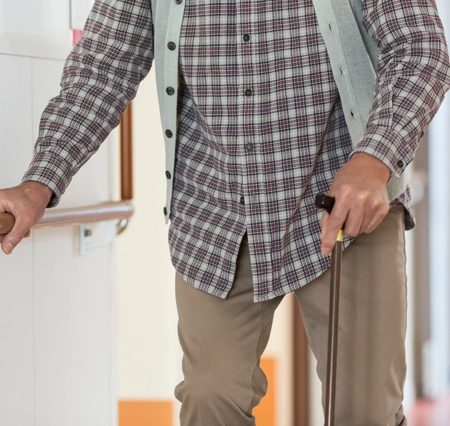
Quad canes and walking sticks
Balance and joint relief
Height-adjustable and easy to use, they improve balance, relieve lower limb stress, and boost confidence during daily activities.

Manual and power wheelchairs
Mobility freedom and independence
Transport chairs or electric models facilitate travel over longer distances, offering practical solutions when independent ambulation becomes difficult.