Accessible home design
Every home tells a story, but not every home is designed to accommodate all the chapters of life. As we age or face mobility challenges, the spaces we’ve lived in comfortably for years can gradually become obstacle courses. A bathroom threshold becomes a tripping hazard. Kitchen counters sit just out of comfortable reach. The lighting that seemed adequate suddenly isn’t enough to navigate safely at night. Accessible home design isn’t about transforming your living space into a sterile medical facility—it’s about thoughtfully adapting your environment to support independence, safety, and dignity throughout every stage of life.
The most effective accessibility modifications blend seamlessly into your home’s aesthetic while addressing real functional needs. From smart technology that anticipates challenges before they arise, to bathroom and kitchen modifications that prevent injuries without sacrificing style, this comprehensive exploration examines the core principles and practical strategies that make homes truly livable for everyone. Whether you’re planning ahead, recovering from an injury, or supporting a loved one, understanding these fundamental concepts empowers you to create spaces that enhance rather than limit daily life.
Why Accessible Design Is More Than Just Safety Features
The term “accessible design” often conjures images of grab bars and wheelchair ramps, but this narrow view misses the profound impact thoughtful modifications can have on quality of life. Think of accessibility as future-proofing your home—making strategic choices today that preserve your autonomy tomorrow. Research consistently shows that individuals who age in familiar environments experience better cognitive function, emotional well-being, and overall health compared to those who must relocate due to home limitations.
The challenge lies in balancing function with aesthetics. Many people postpone necessary modifications because they associate accessibility with institutional appearances. However, modern accessible design has evolved dramatically. Curbless showers with elegant tile work, decorative grab bars that double as towel racks, and kitchen layouts optimized for seated work can all maintain or even enhance your home’s visual appeal. The key is integrating accessibility from the planning stage rather than treating it as an afterthought. When emergency personnel or caregivers need access, when lighting needs to guide you safely at night, or when everyday tasks become physically demanding, well-planned modifications become invisible supports rather than conspicuous accommodations.
Smart Technology: Building Independence Before You Need It
One of the most strategic decisions in accessible home design involves timing—specifically, installing assistive technology before declining abilities make it necessary. This proactive approach addresses a crucial paradox: the very cognitive or physical limitations that make smart home technology valuable can also make learning new systems frustratingly difficult.
Choosing Systems You Can Actually Use
The market overflows with smart home devices promising to simplify life, but interface complexity remains the primary barrier to adoption among older adults and individuals with disabilities. Voice-activated systems seem intuitive until you consider users with speech impairments or cognitive conditions affecting verbal communication. Touchscreen controls look sleek but prove challenging for those with arthritis, tremors, or visual impairments. The most reliable accessible technology features:
- Multiple control options (voice, physical switches, smartphone apps) to accommodate changing abilities
- Simple, consistent interfaces with large buttons and high-contrast displays
- Programmable routines that automate frequent tasks without requiring constant interaction
- Backup systems that don’t fail when internet connectivity drops
Connection Types and Reliability
Behind every smart home system lies a crucial technical decision: how devices communicate with each other. Wi-Fi-based systems offer convenience but introduce potential points of failure—router malfunctions, internet outages, or network congestion can render critical accessibility features unusable. For essential functions like emergency communication or fall detection, consider systems with cellular backup connections or hardwired alternatives. Hybrid approaches often work best, using smart technology for convenience features while maintaining traditional switches for lighting and climate control that shouldn’t depend on network stability.
Retrofitting Older Homes
Installing modern technology in older construction presents unique challenges, from knob-and-tube wiring that can’t support smart devices to plaster walls that complicate wireless signal transmission. Many successful retrofits use a hub-and-spoke approach, concentrating smart devices in frequently used areas rather than attempting whole-home automation. Battery-powered sensors and wireless switches can add functionality without extensive electrical work, while strategically placed range extenders ensure signals reach throughout multi-story homes or those with thick walls.
Bathroom Safety Without the Clinical Look
Bathrooms account for a disproportionate number of home injuries among older adults and people with mobility limitations. Slippery surfaces, hard fixtures, and confined spaces create a perfect storm of fall risks. Yet bathroom modifications often receive the most resistance because poorly executed accessibility features can make this intimate space feel institutional and uncomfortable.
Rethinking Flooring and Surfaces
Bath mats seem like simple fall prevention, but they actually introduce new hazards—edges that catch feet, materials that bunch underfoot, and absorbent fabrics that stay damp and slippery. Permanent non-slip solutions integrate safety directly into flooring materials. Textured porcelain tiles, slip-resistant vinyl, and specialty coatings provide traction without the visual impact of rubber mats. For existing tile floors, professional application of anti-slip treatments can increase friction without changing appearance. The key is selecting products with appropriate slip resistance ratings (look for a Dynamic Coefficient of Friction above 0.42 for wet areas) while maintaining the aesthetic you desire.
Toilet Height and Transfer Safety
Standard toilet heights of 15 inches prove difficult for many people to rise from, especially those with knee or hip conditions. Comfort height toilets (17-19 inches) reduce joint strain and make transfers easier, but they’re not suitable for everyone—shorter individuals or those with certain disabilities may find standard heights more accessible. Alternative solutions include adjustable toilet risers, wall-mounted units installed at custom heights, or combination units with integrated support arms. The optimal approach depends on who uses the bathroom and whether multiple household members have different needs.
Grab Bar Placement That Actually Helps
Improperly positioned grab bars do more than waste money—they create a false sense of security that can contribute to falls. Effective grab bar placement depends on how you actually move through the space. Near toilets, vertical bars alongside the fixture assist with sitting and standing, while horizontal bars behind provide stability. In showers, bars should be positioned where you naturally reach for support when stepping in, turning around, or washing. Installing bars at arbitrary heights or locations looks like accessibility but fails when you need support most. Consider working with an occupational therapist to map your specific movement patterns before drilling into walls.
When to Schedule Bathroom Renovations
Timing bathroom accessibility upgrades involves balancing urgency with practicality. Renovating during recovery from surgery or injury seems logical—why not make improvements while you’re already dealing with limited mobility? However, construction dust, disrupted routines, and the physical demands of decision-making can impede healing. Many occupational therapists recommend completing major renovations either well before planned procedures (allowing you to recover in an already-adapted space) or after full recovery when you can better tolerate the disruption. Emergency modifications following unexpected injuries may be unavoidable, but proactive planning whenever possible reduces stress during vulnerable periods.
Kitchen Adaptations for Comfort and Longevity
Kitchens designed for standing work present significant challenges for seated users, individuals with limited reach ranges, or those who experience fatigue and pain during meal preparation. The good news? Kitchen accessibility modifications often enhance functionality for everyone in the household, making cooking more comfortable and efficient regardless of ability level.
The Ergonomics of Reach and Work Zones
Standard kitchen design assumes users can comfortably reach 72 inches vertically and have unlimited ability to bend and lift. Reality is far different. Functional reach ranges for seated users typically span from about 15 inches to 48 inches from the floor, while standing users with limited mobility often struggle with anything below 20 inches or above 60 inches. Creating accessible kitchens means concentrating frequently used items within these zones and redesigning storage to eliminate the need for stretching or bending. Pull-down shelving, lazy Susans in corner cabinets, and drawer-based storage instead of deep lower cabinets transform kitchens from obstacle courses into efficient workspaces.
Modifying Countertops for Seated Work
Preparing meals while seated requires counter spaces at appropriate heights with clearance underneath for knees. Standard 36-inch counters force wheelchair users to reach up awkwardly, while blocking knees prevents close approach. Adjustable-height sections or dedicated 28-32 inch counter areas with open space below provide proper working surfaces. These modifications benefit more than wheelchair users—they create comfortable spaces for anyone who needs to sit while cooking due to fatigue, pain, or medical conditions. The key is ensuring adequate counter space at accessible heights near the sink, stove, and primary prep areas.
Appliances That Reduce Physical Strain
Lifting heavy pots filled with water or removing roasting pans from conventional ovens poses injury risks that increase with age or physical limitations. Appliance selection significantly impacts kitchen accessibility:
- Wall ovens installed at counter height eliminate dangerous bending and lifting from floor-level ovens
- Side-swing or slide-under microwave doors prove easier to manage than drop-down doors
- Front-control ranges allow operating burners without reaching over hot surfaces
- Shallow single-basin sinks reduce the reach needed to access faucets and minimize water lifting distances
Addressing Burn Risks
Standard stoves present multiple burn hazards, particularly for individuals with reduced sensation, tremors, or impaired judgment. Gas burners with visible flames offer the advantage of clear visual cues but carry risks of clothing ignition. Traditional electric coils stay hot long after use. Induction cooktops have emerged as a safer alternative for many users—they heat cookware through magnetic fields while the cooking surface remains relatively cool, automatically shut off when cookware is removed, and provide precise temperature control. However, they require compatible magnetic cookware and may interfere with some medical devices, so careful evaluation of individual circumstances is essential.
Optimizing the Work Triangle
The classic kitchen “work triangle” connecting sink, stove, and refrigerator remains relevant for accessible design, but with modified parameters. Traditional recommendations suggest 12-25 feet of total distance between the three points. For users with limited energy or mobility, tighter configurations of 10-15 feet reduce unnecessary movement while still allowing adequate workspace. Equally important is ensuring clear, wide pathways between these zones—at least 42 inches for wheelchair passage, 48 inches for turning radius. Removing base cabinets to create roll-under access at key work areas may actually improve the work triangle by reducing the distance between functional positions.
The Critical Role of Lighting in Fall Prevention
We often think of falls as purely mechanical events—a trip over a threshold, a slip on a wet floor. But lighting plays an equally critical role in fall prevention, influencing both our ability to perceive hazards and our body’s internal sense of balance and spatial orientation.
Inadequate lighting directly increases fall risk by making obstacles invisible, reducing contrast between surfaces, and slowing reaction times. But lighting’s influence extends beyond simple visibility. Research in chronobiology has revealed that lighting patterns profoundly affect our circadian rhythms—the internal biological clocks regulating sleep-wake cycles, hormone production, and even balance and coordination. Disrupted circadian rhythms correlate with increased nighttime fall rates, likely due to reduced alertness, impaired balance, and disorientation.
Effective accessible lighting design addresses both concerns through layered illumination:
- Ambient lighting provides overall illumination without harsh shadows or glare—recessed ceiling lights with dimming capability allow adjustment for activities and time of day
- Task lighting concentrates brighter light where detailed work occurs—under-cabinet kitchen lights, reading lamps, bathroom mirror illumination
- Motion-activated pathway lighting automatically illuminates routes between bedroom and bathroom during nighttime trips, preventing falls while minimizing sleep disruption through warm-toned, low-intensity lights
- Circadian-supportive lighting uses brighter, blue-enriched light during daytime hours to promote alertness, transitioning to warmer, dimmer tones in evening to support natural sleep rhythms
Light switches themselves require accessibility consideration. Controls positioned near room entrances at appropriate heights (48 inches is often recommended), rocker-style switches easier to operate than traditional toggles, and smart controls activated by voice or motion all reduce the time spent navigating dark spaces while searching for switches.
Planning Your Accessibility Upgrades: Timing and Priorities
The question isn’t whether to make your home more accessible—it’s when and in what order. Even with unlimited budgets, attempting every modification simultaneously creates disruption that undermines the very independence you’re trying to preserve. Strategic planning maximizes benefit while minimizing stress.
Proactive installation before ability declines offers the greatest long-term advantage. Learning new systems, adjusting to modified spaces, and troubleshooting problems all require cognitive and physical resources that diminish during health crises. Installing grab bars while you still have stable mobility means they’re familiar supports when balance falters. Setting up smart home controls while cognition is sharp ensures you’ve mastered the interface before memory challenges emerge. This approach also allows thoughtful aesthetic choices rather than rushed emergency installations.
When prioritizing improvements, focus first on modifications that address immediate safety risks—bathroom fall prevention, adequate lighting, and clear emergency access routes. These changes prevent injuries that could trigger rapid decline. Next, consider modifications supporting independence in essential daily activities like meal preparation and personal care. Finally, add convenience features and aesthetic refinements that enhance quality of life but aren’t critical for safety or function.
Don’t overlook the importance of simplifying emergency access. First responders lose precious minutes forcing entry through multiple locked doors, navigating cluttered entryways, or searching for someone who has fallen in an inaccessible area. Simple modifications—lockbox key systems, clear address numbers, obstruction-free pathways from street to entrance, and communication systems that allow granting access remotely—can literally save lives. Coordinate with local emergency services to understand their specific access needs and ensure your modifications align with their protocols.
Creating an accessible home is an ongoing process rather than a single project. Needs change, technologies improve, and priorities shift over time. The modifications you implement today should remain flexible enough to evolve, supporting not just current requirements but adapting to future changes you can’t yet predict. By approaching accessibility as a fundamental design principle rather than a series of add-ons, you build a home that truly supports independent, dignified living throughout all of life’s chapters.
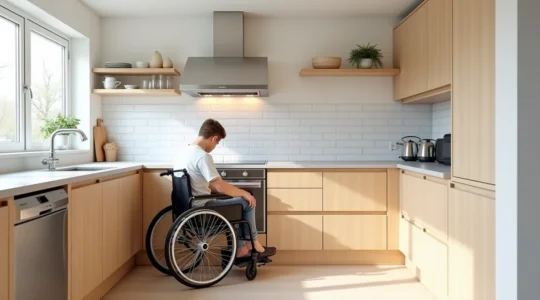
The Seated Chef: Designing a High-Performance Kitchen for Cooking from a Wheelchair
In summary: Transform your kitchen from an obstacle course into a high-performance “culinary cockpit” designed for the seated chef. Prioritize an ergonomic layout with work zones over the traditional triangle to dramatically reduce movement and conserve energy. Select appliances and…
Read more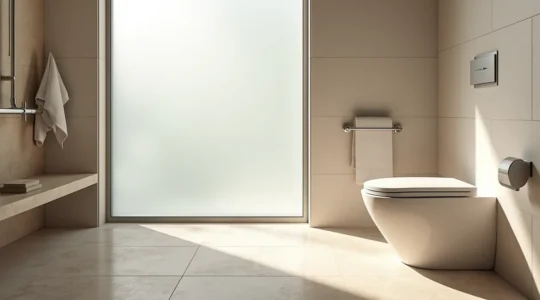
Retrofit for Safety: How to Add Bathroom Safety Features Without Killing Your Home’s Value
The common belief that bathroom safety must look clinical and devalue your home is a myth. Integrated, design-forward solutions preserve aesthetics and function better than temporary, bolt-on medical equipment. Focusing on structural integrity and permanent installations like comfort-height toilets and…
Read more
Integrating Assistive Housing Technology in Older Properties: A Retrofitter’s Guide
Successfully retrofitting a senior’s older home isn’t about buying the latest gadgets; it’s about integrating reliable, fail-safe systems that work with—not against—the home’s existing architecture and limitations. System reliability is paramount. A hybrid approach using hardwired connections for critical safety…
Read more