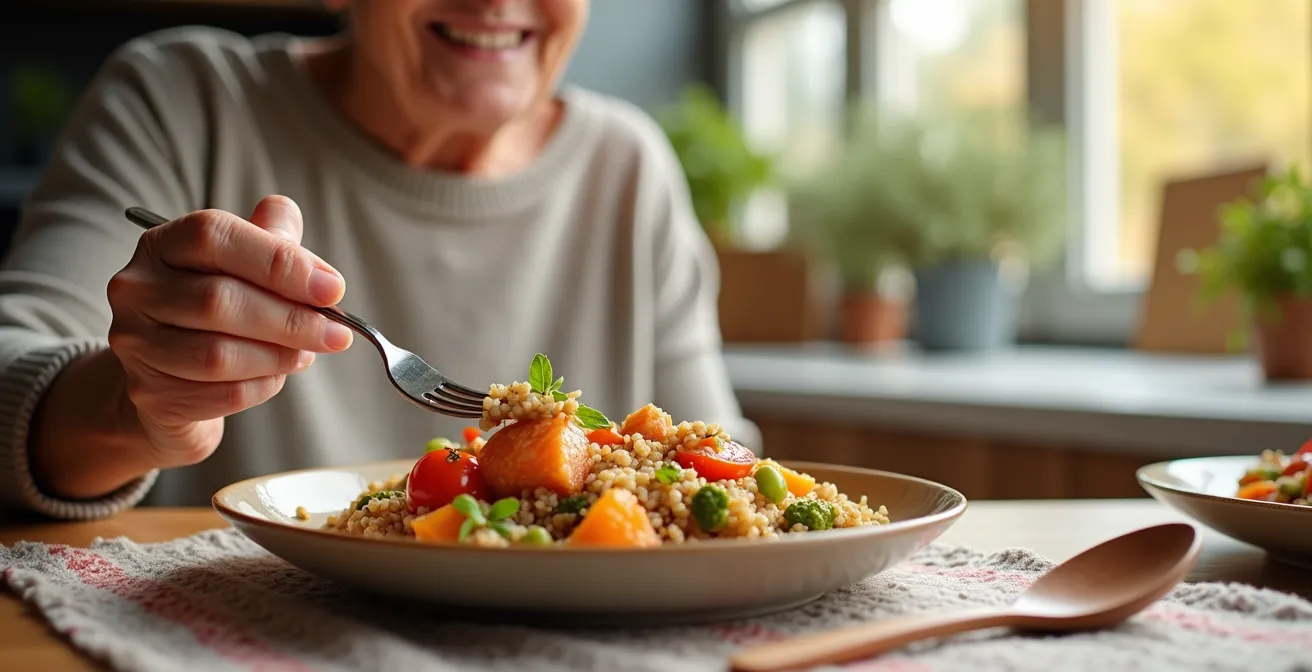
The key to nourishing a senior with low appetite isn’t forcing more food, but improving how their body uses each calorie.
- Seniors often experience “anabolic resistance,” a condition where their muscles struggle to use protein, leading to weakness even when calorie intake seems adequate.
- Focusing on nutrient fortification, strategic meal timing, and gentle activity can reignite appetite and improve nutrient absorption.
Recommendation: Shift from a volume-based approach to a nutrient-efficiency strategy, making every small meal a powerful tool for rebuilding strength.
It’s a conversation many caregivers know by heart. You’ve prepared a thoughtful, balanced meal, only to be met with a gentle refusal. “I’m just not hungry,” your parent says, pushing the plate away. This repeated scene is more than just frustrating; it’s deeply concerning. You see the weight loss, the growing frailty, and you worry. Well-meaning advice often suggests making smoothies or simply adding protein powder, but these quick fixes rarely solve the underlying issue and can sometimes make it worse.
The challenge of a senior’s low appetite, a condition known clinically as “anorexia of aging,” is complex. It isn’t just about a lack of desire to eat. It’s often rooted in physiological changes that make the body less efficient at processing nutrients and building muscle. The common belief is that if they just eat “enough,” they’ll be fine. But what if the body has lost its ability to properly use those calories? This is where the concept of metabolic efficiency becomes critical.
The true key to counteracting appetite loss lies not in forcing larger portions, but in a smarter, science-backed approach. It involves understanding the “why” behind their low appetite—a phenomenon called anabolic resistance—and using that knowledge to make every spoonful count. It’s about nutrient synergy, strategic timing, and creating a positive feedback loop between gentle activity and hunger cues.
This guide will walk you through a practical, kitchen-friendly strategy to move beyond the “just eat more” dilemma. We will explore how to fortify favorite foods, evaluate meal prep options, understand the pitfalls of sugary supplements, and integrate small, sustainable habits that can make a profound difference in both their health and your peace of mind.
To help you navigate these strategies, this article is structured to provide clear, actionable insights. Below is a summary of the key topics we will cover to help you build an effective and sustainable nutrition plan.
Summary: A Strategic Guide to Senior Nutrition for Low Appetite
- Why Seniors Lose Muscle Mass Despite Eating “Enough” Calories?
- How to Fortify Soups and Smoothies With Hidden Proteins?
- Fresh Prep vs. Medical Meal Delivery: Which Offers Better Nutrition?
- The Mistake of Relying on Sugary Supplements Instead of Real Food
- Why Eating Smaller Meals 5 Times a Day Works Better for Digestion?
- How to Integrate Nutrition and Mobility Into a Daily Routine Without Overwhelm?
- How to Implement the MIND Diet for Beginners?
- Why Sitting Down to Chop Vegetables Saves 20% of Daily Energy?
Why Seniors Lose Muscle Mass Despite Eating “Enough” Calories?
One of the most perplexing issues for caregivers is watching a loved one lose muscle and strength despite eating what seems like a reasonable amount of food. The culprit is often a combination of two age-related processes: sarcopenia and anabolic resistance. Sarcopenia is the natural, gradual loss of muscle mass, and some research shows that muscle tissue naturally declines as we age. However, this is significantly worsened by anabolic resistance, a state where the muscles become less responsive to the signals that tell them to grow and repair, especially after a meal.
Think of it like a faulty lock. You’re using the right key (protein), but the lock’s mechanism (the muscle cell) is rusted and doesn’t turn easily. For seniors, this means they need more protein and a better combination of nutrients just to achieve the same muscle-building effect a younger person would. This is often compounded by “inflammaging,” a chronic, low-grade inflammation that further interferes with muscle protein synthesis. According to the National Council on Aging, this can lead to a vicious cycle where a quarter of older adults experience “anorexia of aging,” resulting in weight loss and nutrient deficiencies even when their calorie count seems adequate.
The goal, therefore, is not simply to increase calories, but to overcome this resistance. This requires a strategic focus on high-quality, easily absorbable protein, timed effectively throughout the day. It also means fighting inflammation with a diet rich in antioxidants. Understanding this biological reality is the first step in shifting from a frustrating battle over food volume to a successful strategy of nutrient efficiency.
How to Fortify Soups and Smoothies With Hidden Proteins?
When appetite is low, every bite must be as nutritionally powerful as possible. Soups and smoothies are ideal vehicles for “stealth health,” allowing you to boost protein and calorie content without increasing volume. The key is to use ingredients that blend seamlessly, enhancing texture and nutrition without overwhelming the palate. This approach moves beyond simply adding a scoop of chalky protein powder and focuses on whole-food-based fortifiers that contribute to nutrient synergy.
For example, instead of just water or thin broth, use milk, bone broth, or even puréed white beans as a base. These add creaminess and a significant protein punch. Unflavored collagen peptides are another excellent tool, as they dissolve completely in hot or cold liquids without altering the taste. Greek yogurt, silken tofu, and even nut butters can transform a simple fruit smoothie into a satisfying, protein-rich meal that supports muscle maintenance. The goal is to make these additions an invisible part of a delicious and familiar food.
This fortification strategy directly combats the effects of anabolic resistance by concentrating protein into smaller, more appealing servings. By making these nutrient-dense foods easy to consume, you help ensure the body receives the building blocks it needs for muscle synthesis and energy.

As you can see, incorporating these elements is straightforward. A spoonful of Greek yogurt or a tablespoon of ground flaxseed doesn’t change the volume of a smoothie but dramatically increases its nutritional value. This makes it easier to meet the heightened protein requirements of a senior without a battle at the dinner table.
Action Plan: Fortifying Foods with Hidden Protein
- Blend silken tofu or white beans into soups for a creamy texture without altering taste.
- Add unflavored collagen peptides to hot beverages or soups—they dissolve completely.
- Incorporate Greek yogurt into smoothies for a boost of up to 17g of protein per cup.
- Use nut butters or powdered peanut butter in smoothies and oatmeal for flavor and protein.
- Purée cooked lentils into pasta sauces or stews for added fiber and plant-based protein.
Fresh Prep vs. Medical Meal Delivery: Which Offers Better Nutrition?
For caregivers, the question of how to get nutritious meals on the table consistently is a major concern. Two popular solutions are preparing fresh meals at home and using a medical meal delivery service. As Human Care NY notes, “Meal delivery services have emerged as a convenient solution for seniors with mobility challenges.” Both have distinct advantages, and the best choice depends on a senior’s specific needs, the caregiver’s time, and the budget.
Freshly prepared meals offer maximum nutrient retention, especially for fragile vitamins like Vitamin C and B-complex vitamins, which can degrade over time in pre-packaged foods. Home cooking also allows for complete customization of taste, texture, and ingredients to cater to specific preferences or dietary restrictions, which is crucial for stimulating a weak appetite. However, it requires a significant time commitment from the caregiver for planning, shopping, and cooking.
Medical meal delivery services, on the other hand, offer unparalleled convenience. They can be a lifeline for caregivers juggling work and other responsibilities. These services are often designed by dietitians and can cater to specific medical needs like low-sodium or diabetic diets, and many offer texture modifications like puréed or minced options. The trade-off can be higher cost, less variety, and some nutrient loss due to processing and storage.
The following table, based on an analysis of senior meal planning, breaks down the key differences to help you make an informed decision.
| Factor | Fresh Meal Prep | Medical Meal Delivery |
|---|---|---|
| Nutrient Retention | Maximum vitamins C & B | Some degradation in storage |
| Customization | Fully customizable | Limited options |
| Caregiver Time | 2-3 hours/week | 30 minutes/week |
| Cost | $40-60/week | $60-120/week |
| Texture Options | Fresh, varied textures | Pureed/minced available |
The Mistake of Relying on Sugary Supplements Instead of Real Food
When a senior is refusing meals, it’s tempting to reach for liquid nutritional supplements like Ensure or Boost. They seem like an easy, doctor-approved solution to prevent weight loss. However, over-reliance on these often high-sugar drinks can create a vicious cycle that worsens appetite and nutrition in the long run. This is due to a phenomenon known as palate fatigue and the disruptive effect of sugar spikes on hunger cues.
These supplements deliver a rapid dose of sugar, which can cause blood glucose levels to rise and fall sharply. This can trick the body into feeling full, effectively suppressing true hunger for hours. Over time, the cloyingly sweet, artificial taste can lead to palate fatigue, making the nuanced flavors of real food seem bland and unappealing. This makes it even harder to transition back to a balanced diet. A revealing study highlighted by Bethesda Health Group found that 29% of obese seniors were actually malnourished, partly because reliance on supplements can mask underlying nutritional gaps.
While these drinks can have a place in short-term, critical situations under medical supervision, they should not be the first line of defense. The focus should always be on whole-food alternatives that provide balanced nutrition without the sugar crash. A homemade smoothie with banana, peanut butter, and milk offers protein, healthy fats, and fiber—a far more complete and satisfying nutritional profile than most commercial shakes. Prioritizing real food helps regulate appetite naturally and provides a wider array of essential micronutrients.
- Smart Swap 1: Replace a commercial vanilla shake with a smoothie made from 1 banana, 2 tablespoons of peanut butter, and 1/2 cup of whole milk.
- Smart Swap 2: Instead of a liquid supplement, offer a Greek yogurt parfait layered with fresh berries and a sprinkle of low-sugar granola.
- Smart Swap 3: Offer homemade nutrient-dense soups with a base of puréed beans and vegetables, which provide sustained energy.
Why Eating Smaller Meals 5 Times a Day Works Better for Digestion?
The advice to “eat small, frequent meals” is common, but for seniors with low appetite, it’s a critical strategy rooted in digestive and metabolic science. A large meal can be visually intimidating and physically overwhelming for an aging digestive system. The stomach empties more slowly with age, and large volumes of food can lead to discomfort, bloating, and acid reflux—all of which suppress the desire to eat. Shifting from three large meals to five or six smaller “mini-meals” aligns with the body’s natural capacity and improves metabolic efficiency.
This approach helps maintain stable blood sugar levels throughout the day, preventing the energy crashes that can follow a large, carbohydrate-heavy meal. Stable energy means a better mood and a greater capacity for light activity, which in turn stimulates appetite. According to nutrition experts, eating 5-6 smaller meals daily helps regulate blood sugar and provides a steady stream of nutrients for the body to use, rather than overwhelming it all at once. This grazing model is much more effective at combating anabolic resistance, as it provides multiple opportunities for protein synthesis throughout the day.
A “mini-meal” doesn’t have to be complicated. It can be a cup of fortified soup, half a sandwich, a hard-boiled egg with a few whole-grain crackers, or a small bowl of Greek yogurt with berries. The goal is to make eating feel manageable and consistently provide the body with fuel.
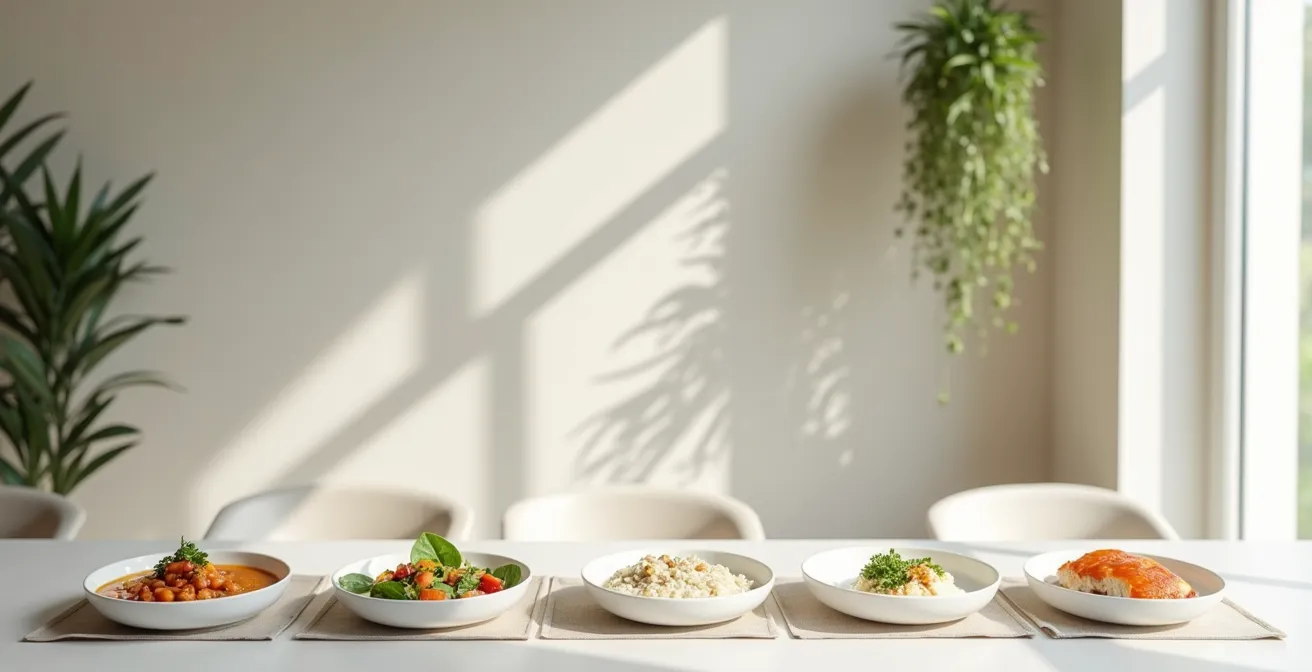
Visually, this approach is far less daunting. Presenting a small, appealing plate five times a day is often more successful than presenting a large, overwhelming one three times a day. It transforms mealtime from a challenge into a series of small, achievable successes.
How to Integrate Nutrition and Mobility Into a Daily Routine Without Overwhelm?
Nutrition and mobility are deeply interconnected. A poorly nourished body lacks the energy to move, and an inactive body often lacks the appetite to eat. Creating a positive, self-reinforcing cycle between the two is one of the most effective strategies for improving a senior’s overall well-being. Even very light activity can be a powerful appetite stimulant.
Research shows that exercise, particularly gentle strengthening activities, helps slow muscle loss and can naturally increase appetite. Activity performed 20-30 minutes before a meal is especially effective, as it can stimulate the release of ghrelin, the “hunger hormone.” This creates a natural desire to eat. The subsequent meal then provides the fuel needed for the body to recover and have energy for the next activity session. It’s a perfect example of nutrient synergy in action, where the benefits of diet and exercise amplify each other.
The key for caregivers is to introduce these habits without causing overwhelm. The “One Thing Today” strategy is an excellent way to start. Instead of trying to implement a full exercise and diet plan at once, focus on adding just one small, manageable habit each week. This gradual approach builds confidence and makes the changes feel sustainable for both the senior and the caregiver.
- Week 1: Add one 10-minute walk in the morning and one fortified smoothie each day.
- Week 2: Include 5 minutes of chair stands during TV commercials and add a protein-rich afternoon snack like cheese or a hard-boiled egg.
- Week 3: Extend the walk to 15 minutes and introduce one meal prep session on Sunday to prepare meals for the next 3 days.
- Week 4: Add a few minutes of gentle stretching before breakfast and fully implement the 5-meal daily schedule.
How to Implement the MIND Diet for Beginners?
When looking for a specific dietary framework, the MIND diet is an outstanding choice for seniors. It combines elements of the Mediterranean diet and the DASH diet, but with a specific focus on foods known to support brain health. For a senior with low appetite, its principles are particularly beneficial because the core foods are naturally nutrient-dense. This means small portions can deliver a significant nutritional impact.
The MIND diet emphasizes ten “brain-healthy” food groups: leafy greens, other vegetables, nuts, berries, beans, whole grains, fish, poultry, olive oil, and wine (in moderation). It also explicitly limits five unhealthy groups: red meats, butter and stick margarine, cheese, pastries and sweets, and fried or fast food. For a senior, the beauty of this diet lies in its focus on foods like berries, nuts, and fatty fish. These are not only packed with vitamins and anti-inflammatory compounds but are also calorie-dense, helping to meet energy needs in smaller volumes. The core foods of the MIND diet naturally deliver essential nutrients in a concentrated form.
Implementing a new diet can seem daunting. The best approach is a phased, one-step-at-a-time implementation. Instead of overhauling everything at once, focus on incorporating one new habit each week. This makes the transition smooth and sustainable.
Your 4-Week MIND Diet Implementation Plan
- Week 1: Add Berries Daily. Start by adding a handful of berries (fresh or frozen) to breakfast, whether it’s in oatmeal, yogurt, or a smoothie.
- Week 2: Switch to Olive Oil. Make extra virgin olive oil your primary cooking oil, replacing butter or other vegetable oils.
- Week 3: Include Daily Leafy Greens. Add a serving of spinach, kale, or other leafy greens to at least one meal per day—in a salad, soup, or sautéed as a side.
- Week 4: Add Fish and Nuts. Aim for fatty fish (like salmon) twice a week and a small handful of nuts as a daily snack.
Key Takeaways
- An older adult’s low appetite is often due to “anabolic resistance,” a condition where their body struggles to use protein to build muscle.
- Focus on fortifying familiar foods like soups and smoothies with hidden, nutrient-dense ingredients rather than increasing meal volume.
- Gentle physical activity before meals can naturally stimulate hunger hormones, creating a positive cycle of movement and nutrition.
Why Sitting Down to Chop Vegetables Saves 20% of Daily Energy?
So far, our focus has been on the senior’s nutrition and energy. But for a plan to be truly successful, it must be sustainable for the caregiver. Caregiver burnout is a real and serious risk, and the daily grind of meal preparation can be a significant source of physical and mental fatigue. This is where the principle of energy conservation for the caregiver becomes a crucial part of the nutrition plan.
Simple ergonomic adjustments in the kitchen can dramatically reduce the physical strain of meal prep. For example, sitting on an adjustable-height stool while chopping vegetables, instead of standing, can conserve a surprising amount of energy. Using the right tools is also a game-changer. A food processor, a good mandoline slicer, or even just a set of sharp, high-quality knives can reduce physical effort and time spent in the kitchen. A slow cooker allows you to prepare a warm, nutritious meal with minimal active time.
This isn’t about cutting corners; it’s about working smarter. As caregiving expert Leslie Bonci wisely states in the AARP Caregiving Guide:
A less-exhausted caregiver is more patient and creative, transforming mealtime from a stressful chore into a more positive, connection-building experience.
– Leslie Bonci, AARP Caregiving Guide
Investing in a few energy-saving tools can make a huge difference in your daily stamina. Consider an anti-fatigue mat for the kitchen floor or a slow cooker to take the pressure off dinner time. By conserving your own energy, you have more patience and creativity to devote to making mealtimes a positive experience, rather than a source of stress for both you and your loved one.
By shifting your focus from food volume to nutrient efficiency and by implementing strategies that conserve your own energy, you can create a positive and sustainable path forward. The next step is to assess your kitchen and routine to see where these small, powerful changes can be made.