Housing & accessibility
For older adults and people with reduced mobility, the home represents far more than four walls and a roof. It’s a repository of memories, a symbol of independence, and the foundation of daily routines. Yet as physical capabilities change, the very spaces designed for comfort can gradually become sources of risk and frustration. The gap between a person’s needs and their environment’s design often widens silently, until a fall, a near-miss, or an exhausting daily struggle forces the conversation no one wanted to have.
Housing and accessibility decisions touch every aspect of life—safety, dignity, financial stability, and emotional well-being. Whether you’re considering modifications to age in place, evaluating residential care options, or exploring senior living communities, understanding the landscape of possibilities empowers you to make choices aligned with your values and capabilities. This comprehensive resource examines the critical factors in creating safe, accessible living environments, from the technical specifications of ramp construction to the psychological dimensions of transitioning between care settings.
Understanding When Change Becomes Necessary
The decision to modify a home or explore alternative living arrangements rarely arrives as a single moment of clarity. More often, it emerges gradually through accumulated challenges—stairs that seem steeper each month, a bathroom that requires increasingly creative maneuvering, or the realization that grocery bags now feel impossibly heavy when carried from the car.
Recognizing the Warning Signs
Physical indicators often appear before we consciously acknowledge them. Handrails show wear patterns from increasingly dependent grips. Rugs bunch at corners where shuffling feet push them. Certain rooms become rarely used simply because accessing them requires too much effort. These environmental clues deserve attention before they escalate into emergencies.
Beyond the physical environment, behavioral changes signal growing mismatch between capabilities and housing. Someone who once maintained an immaculate garden now leaves it untended—not from lost interest, but because navigating uneven ground feels treacherous. Social isolation increases when stairs block access to community spaces. The home that once facilitated independence begins to enforce it through limitation.
The Emotional Dimension of Moving
The myth that staying in the family home always represents the safest, most dignified choice causes genuine harm. This belief conflates location with autonomy, assuming that physical address determines quality of life. In reality, a house with dangerous architectural features can imprison rather than shelter, while a thoughtfully chosen alternative environment can expand possibilities.
Timing these conversations before crisis forces the decision makes an enormous difference. When choices happen proactively, families can research options thoroughly, visit multiple locations, and make financially sound decisions. Crisis-driven moves—following a fall, a hospitalization, or a spouse’s sudden decline—compress these decisions into days or hours, often resulting in placements that satisfy immediate safety needs but neglect long-term preferences.
Weighing Your Housing Options
No single solution fits every situation. The right choice depends on current functional abilities, anticipated changes, financial resources, personal preferences, and available support systems. Understanding the realistic scope and limitations of each option prevents costly mistakes and unrealistic expectations.
Aging in Place with Modifications
Home retrofitting allows familiar surroundings to evolve alongside changing needs. This approach works best when the existing structure can accommodate necessary modifications and when adequate support services exist in the community. The financial comparison between retrofitting and moving proves more complex than simple arithmetic suggests.
Modification costs include not just initial construction but ongoing maintenance. A residential elevator requires annual servicing. Wider doorways may necessitate replumbing or rewiring. The cumulative investment over ten years sometimes exceeds the cost differential of moving to an already-accessible environment. Yet these calculations must balance against intangible values—proximity to lifelong friends, attachment to a garden cultivated over decades, or the psychological comfort of known spaces.
Common architectural oversights during renovations create expensive do-overs. Contractors unfamiliar with accessibility standards may install grab bars at incorrect heights, create ramps with slopes too steep for independent wheelchair navigation, or position light switches beyond comfortable reach from a seated position. Successful retrofitting requires either working with specialized contractors or rigorously verifying that standard contractors understand accessibility codes and practical usability beyond minimum compliance.
Moving to a Senior-Friendly Environment
Senior living communities offer a spectrum from independent living apartments to comprehensive care facilities. These environments eliminate many accessibility barriers by design—single-floor layouts, wider corridors, roll-in showers, and lever-style door handles as standard features rather than expensive additions.
The common mistake of overestimating independence leads families to choose independent living when assisted living would better match current needs, forcing another disruptive move within months. Conversely, choosing overly restrictive environments based on worst-case scenarios can unnecessarily limit autonomy. Honest assessment of actual daily functioning—not what someone managed once with maximum effort, but what they accomplish reliably and safely—guides appropriate placement.
Deciphering the tiered pricing structure requires careful analysis. The advertised base rate rarely reflects total costs. Activity fees, enhanced dining options, additional housekeeping, medication management, transportation, and care level increases can add substantially to monthly expenses. Contract exit clauses deserve particular scrutiny—some communities impose significant financial penalties for leaving within specified timeframes, while others apply complex formulas for refunding entrance deposits.
Residential Care Facilities
Skilled nursing facilities serve dual purposes: short-term rehabilitation following hospitalization and long-term care for those requiring comprehensive medical support. Understanding this distinction matters because the transition from rehab to long-term stay involves separate assessments, insurance changes, and often different cost structures.
Navigating admission from a hospital frequently happens under pressure. Discharge planners may present limited options based on bed availability rather than optimal fit. Families benefit from researching facilities before crisis arrives, identifying which locations accept their insurance, visiting during regular hours (not just scheduled tours), and speaking with current residents’ families about their experiences.
Making Your Home Accessible
Whether modifying an existing home or evaluating a new residence, specific architectural elements determine daily function and safety. Generic “accessibility” means little without understanding the technical requirements that actually enable independent movement.
Entrance Modifications and Ramp Design
Creating accessible home entryways involves more than installing a ramp. Code compliance represents minimum standards; true usability requires considering the specific mobility aids someone uses, weather conditions in your climate, and the available approach space.
The mathematical ratio for safe slopes follows the 1:12 principle: for every inch of vertical rise, the ramp requires twelve inches of horizontal run. A doorway elevated 24 inches above ground level needs a ramp at least 24 feet long. This calculation surprises many homeowners who underestimate the space required. Steeper slopes may technically exist within code for very short rises, but they prove exhausting or impossible for manual wheelchair users and create runaway risks for those with limited strength.
The danger of neglecting landings manifests in practical use. A ramp without an appropriately sized landing at the top forces someone to simultaneously balance on a slope while operating a door—a recipe for falls. Code requires landings at least 60 inches deep to allow maneuvering, but comfortable use often benefits from additional space, particularly if the door swings outward or if multiple people might need to pass.
Selecting materials for weather resistance prevents dangerous conditions. Wood ramps require regular maintenance and become slippery when wet unless treated with non-slip coatings. Aluminum provides durability and traction through perforated surfaces but conducts cold and heat. Composite materials offer middle-ground solutions with moderate maintenance and consistent performance across temperatures. The material choice should reflect local climate patterns—frequent freeze-thaw cycles, intense sun exposure, or heavy rainfall each present different durability challenges.
Managing curb appeal concerns often emerges in residential neighborhoods where ramps create visual impact. Landscaping integration, material selection that complements existing architecture, and thoughtful placement can address aesthetic considerations while maintaining functionality. Some municipalities offer design consultation specifically for visible accessibility modifications.
Choosing Between Temporary and Permanent Solutions
Temporary ramps and modifications serve specific scenarios well—recovery from surgery with predictable timeline, trial periods to assess whether aging in place remains viable, or rental properties where permanent alterations aren’t permitted. Modular ramp systems install and remove without structural changes, providing legitimate accessibility during transitional periods.
Permanent solutions make sense when long-term use is certain and when they add property value or universal design appeal. Well-executed accessibility features increasingly attract buyers as population demographics shift. The calculation hinges on expected duration of use and whether modifications align with or detract from eventual resale potential.
Evaluating Residential Care Facilities
Not all care facilities function equally, despite similar marketing language and comparable pricing. Quality differences directly impact health outcomes, daily comfort, and dignity. Systematic evaluation using objective criteria protects against costly mistakes driven by glossy brochures and polished tour presentations.
Quality Indicators to Prioritize
Staffing ratios determine care quality more reliably than any other single factor. The number of certified nursing assistants per resident, particularly during night shifts when ratios often drop, directly affects response time to call buttons, assistance with toileting and repositioning, and supervision preventing falls. Facilities reluctant to provide specific staffing numbers rather than vague assurances deserve skepticism.
Checking the facility’s safety record requires accessing inspection reports, typically available through state health department websites. Look beyond summary ratings to actual citations—patterns of repeat violations signal systemic problems rather than isolated incidents. Pay particular attention to deficiencies involving medication errors, elopement risks, or inadequate care planning.
The risk of infection control failures increases in environments where protocols aren’t rigorously followed. Observable indicators during visits include staff handwashing practices, availability of sanitizing stations, isolation procedures for contagious conditions, and overall cleanliness beyond public areas. Ask specifically about infection rates, antibiotic-resistant bacteria protocols, and outbreak response procedures.
Understanding the Admission Process
Admission protocols vary significantly between facilities and funding sources. Medicare-covered short-term rehabilitation requires different documentation than long-term Medicaid placement. Understanding these distinctions prevents surprises when insurance coverage changes or when transitioning between care levels.
The transition from rehabilitation to long-term stay isn’t automatic. Medicare typically covers limited rehabilitation days following qualifying hospital stays. As therapy needs decrease, coverage ends, requiring either discharge home, private payment, or qualification for long-term care coverage through Medicaid or insurance. Planning for this transition before entering rehabilitation prevents crisis decisions when coverage expires.
Navigating Senior Living Communities
Independent and assisted living communities occupy middle ground between private homes and skilled nursing facilities. These settings aim to balance support with autonomy, but achieving that balance requires careful matching between individual needs and community culture.
Assessing Costs and Contracts
Tiered pricing structures mean monthly costs adjust as care needs increase. Understanding exactly which services each tier includes and the assessment process for moving between levels prevents financial surprises. Some communities cap maximum monthly costs; others allow unlimited increases as acuity rises.
Entrance deposits represent significant financial commitments requiring clear understanding of refund terms. Some communities refund deposits minus a percentage based on length of stay. Others decrease refundable amounts by fixed percentages over time, eventually reaching zero. Still others maintain 90% refundability but only pay upon re-occupancy of the unit, potentially delaying refunds for months. Contract exit clauses specify notice requirements, circumstances permitting early termination, and any financial penalties involved.
Finding the Right Cultural Fit
Transitioning to a supportive social environment while maintaining autonomy requires communities that respect individual preferences rather than impose institutional routines. Cultural fit encompasses meal timing flexibility, activity programming diversity, visitor policies, and the subtle atmosphere created by how staff interact with residents.
The psychology of the move improves dramatically when the new environment offers genuine choice rather than merely safe containment. Look for communities where residents demonstrate visible comfort—natural conversation, personalized living spaces, varied activity participation, and absence of institutional atmosphere despite communal setting. Scheduled tours show curated versions; visiting during meals or activities reveals daily reality.
Choosing the right culture fit often means prioritizing what matters most to the individual. An avid reader might thrive in a quieter community with an excellent library but limited social programming, while someone energized by social interaction needs robust activities and communal spaces. There’s no universally “best” community—only better or worse matches for specific personalities and preferences.
Housing and accessibility decisions carry profound consequences, but they need not feel overwhelming. By understanding the technical requirements of safe modifications, the realistic scope of different housing options, and the quality indicators that distinguish excellent care from merely adequate, you can approach these choices with confidence. The goal isn’t perfection but appropriate fit—environments that support independence, protect safety, and honor individual dignity throughout changing capabilities.

Budgeting for Assisted Living Communities Without Hidden Fees
Contrary to popular belief, the ‘base rate’ for assisted living is a marketing tool, not a reliable budget figure; the real cost is hidden in the facility’s financial architecture designed for price escalation. ‘Level of care’ fees are not just…
Read more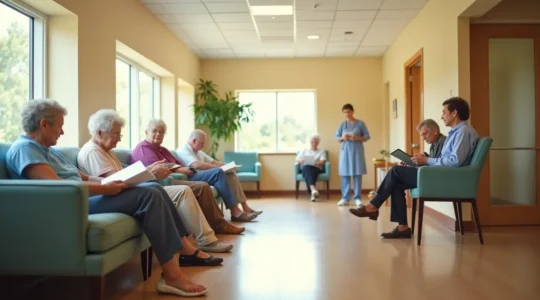
Evaluating Skilled Nursing Facilities Beyond the Lobby Aesthetics
Stop judging a nursing facility by its lobby. In a sudden discharge crisis, the most critical indicators of safety are hidden from plain sight. Staffing levels are the single most important predictor of care quality, yet many facilities fail to…
Read more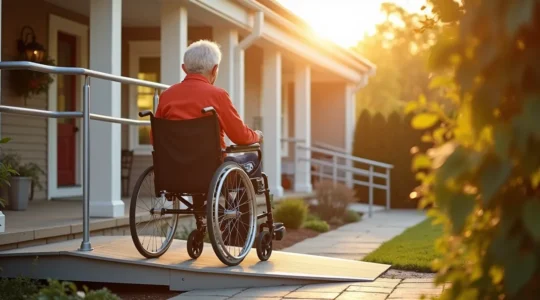
Installing Entryway Ramps That Comply With Safety Codes
A code-compliant ramp is not an obstacle; it is a precisely engineered safety system where every measurement prevents a specific, quantifiable danger. Slope ratio is the primary determinant of user effort and rollback risk; the 1:12 standard is a maximum,…
Read more
Managing Accessible Housing Transitions Without Emotional Trauma
The greatest challenge in helping aging parents move isn’t logistics; it’s navigating the profound sense of loss and resistance without causing emotional trauma for everyone involved. The key is to reframe the painful process of “downsizing” into a collaborative act…
Read more